

About Us
 Whether you’re looking to buy a 3/8″ screw pin shackle or a 300,000 lb. Twin-Path sling, Safety Sling A CERTEX Company can provide the products & services to satisfy all your overhead lifting requirements. The rich heritage of a company founded in 1945 is evident even today. From our original, singular role as a supplier to the nation’s largest steel mills, we’ve expanded to serve a multitude of commercial and industrial users. Quality products, world class suppliers, exceptional employees & a dedication to customer service have governed our business for over 70 years.
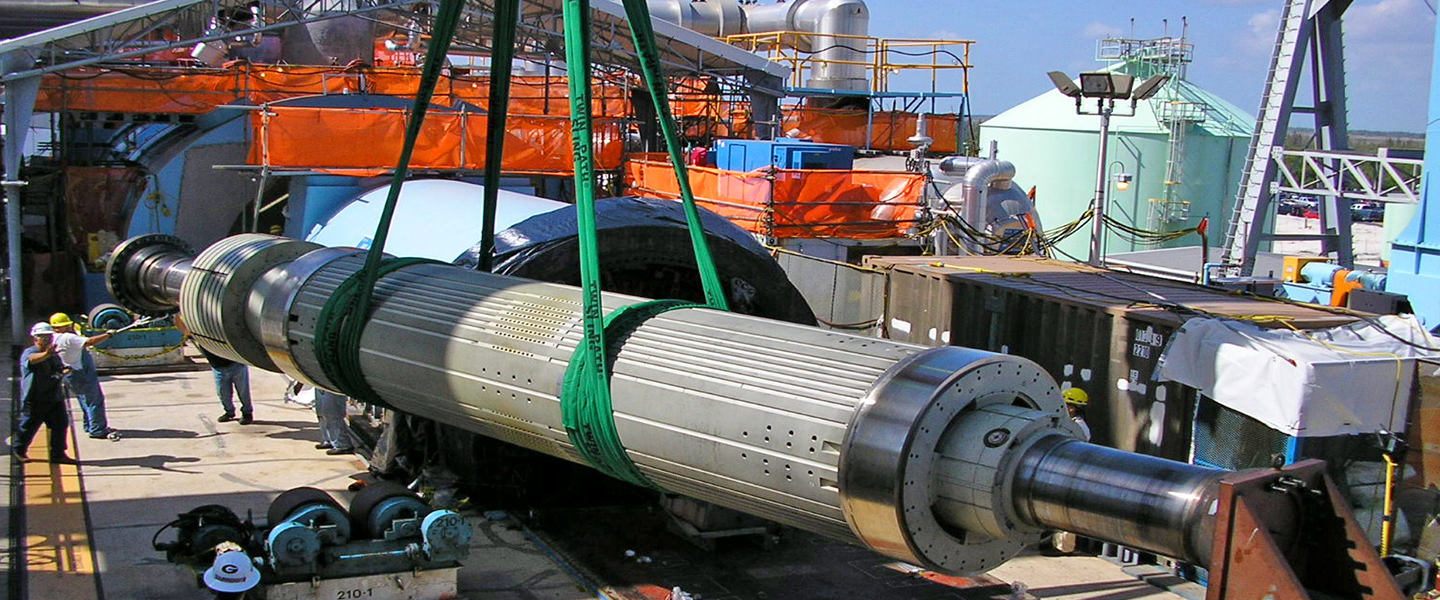
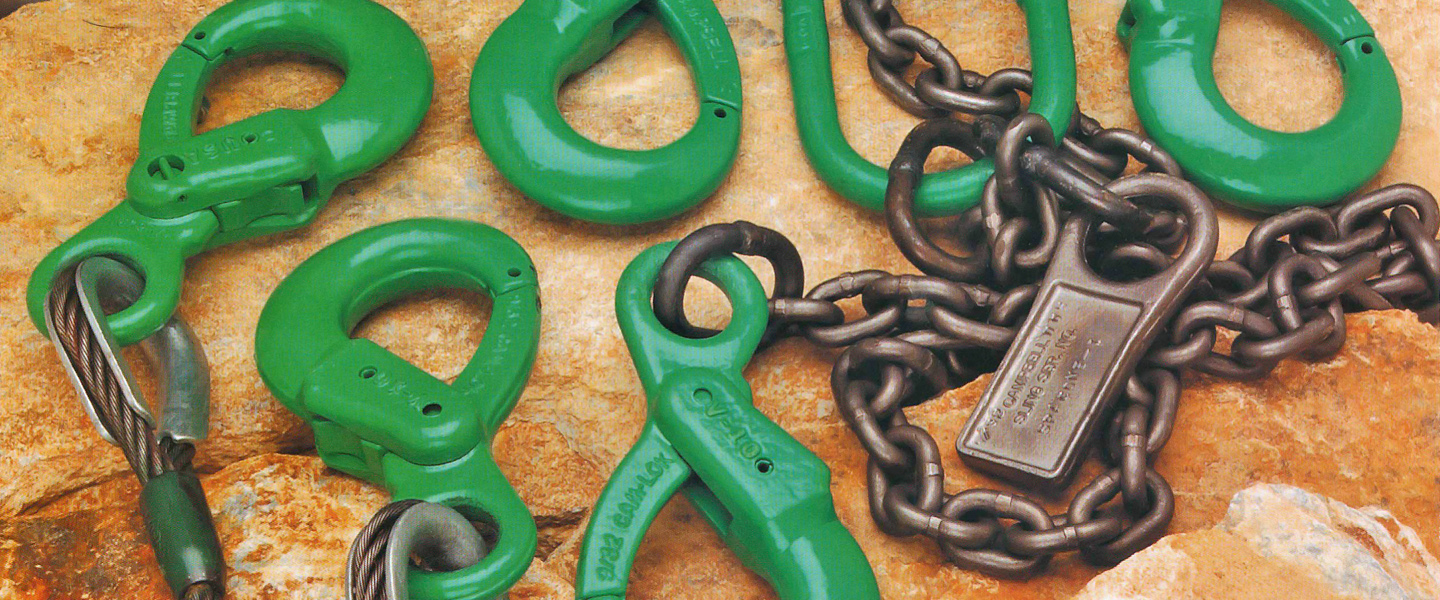
Today we are a full-service rigging shop offering wire rope, alloy chain, synthetic web & Twin-Path slings, as well as cordage, lifting beams and a wide variety of fittings & accessories. Our spacious facility is located on Pittsburgh’s renowned North Shore near Heinz Field and PNC Park. It features a fully-stocked rigging store, product displays and all the capital equipment necessary to ensure that our slings are manufactured and tested in a consistent, efficient manner. A large and varied inventory, skilled, innovative workers, and the capability of manufacturing all slings on location allow us to be extremely responsive to our customers’ needs.
Browse our web site, review our comprehensive list of products and services and give us a call today. The opportunity to share our expertise and earn your trust and confidence would be appreciated.
The Safety Sling A CERTEX Company Advantage
- Serving industry for over 70 years
- Long-term member of Associated Wire Rope Fabricators
- Average employee experience exceeds 10 years with Safety Sling A CERTEX Company and 15 years within the industry
- Fully-stocked rigging store
- Click here for our Comprehensive Electronic Catalog
- Audited and certified annually as Campbell Chain Repair Station
- Attained “Approved Vendor” status with prominent corporations
- Consistent recipient of industry safety awards presented by the Associated Wire Rope Fabricators
- Sling assemblies fabricated to your specifications
- Capital equipment calibrated annually to NIST
- Broad list of value added services
